Содержание
- Введение 1
- Исторические корни Opera Seria 2
- Становление Opera Buffa 3
- Сравнительный анализ структуры и музыки 4
- Социальный и культурный контекст 5
- Ключевые композиторы и произведения 6
- Влияние и наследие 7
- Заключение 8
- Список литературы 9
The 18th century witnessed a significant transformation in the opera. This research project delves into the contrasting developments of two major operatic forms: opera seria and opera buffa. We will explore the structural, thematic, and musical characteristics that defined each genre, tracing their origins and analyzing key examples. Special attention will be paid to the social and cultural contexts that influenced their creation and reception. By examining the evolution from the formal elegance of opera seria to the comedic vitality of opera buffa, this study aims to illuminate the multifaceted nature of musical expression during this pivotal period of Western art history. The comparative approach will highlight the aesthetic principles and dramatic conventions that appealed to diverse audiences, reflecting the changing tastes and sensibilities of the era.
The project proposes a comparative study of opera seria and opera buffa, highlighting their distinct aesthetic, dramatic, and social functions in 18th-century Europe. This analysis will reveal the dynamic evolution of operatic genres and their reflection of societal shifts.
The outcome of this research will be a comprehensive academic paper, presenting a detailed comparative analysis of opera seria and opera buffa. It will offer insights into the historical trajectory and cultural significance of these two dominant operatic forms of the 18th century.
A common challenge in understanding 18th-century opera is the tendency to view opera seria and opera buffa as monolithic entities, failing to capture the nuances of their development and interaction. This project addresses the need for a focused, comparative perspective that illuminates their individual trajectories and shared roots.
The 18th century is a crucial period for understanding the foundation of Western musical theater. Examining opera seria and opera buffa provides a lens through which to view the broader artistic, social, and cultural currents of the Enlightenment. This research contributes to a deeper appreciation of the historical shaping of operatic traditions.
The primary goal is to conduct a rigorous comparative analysis of opera seria and opera buffa, elucidating their defining features and historical impact. This will foster a more nuanced understanding of operatic development and its relationship with the 18th-century cultural landscape.
This project is targeted towards students and scholars of musicology, art history, and cultural studies, as well as opera enthusiasts. The project aims to provide accessible yet academically sound information suitable for both introductory and advanced levels of study.
Access to scholarly articles, musicological databases, historical operatic scores, and critical texts on 18th-century music and theatre will be essential for this project.
Responsible for in-depth analysis of musical scores, historical performance practices, and stylistic conventions of opera seria and opera buffa, ensuring accurate musical interpretation and scholarly rigor.
Focuses on contextualizing opera within the social, political, and intellectual environments of the 18th century, examining patronage, audience reception, and broader cultural trends.
Examines the dramatic structure, linguistic features, and thematic content of opera seria and opera buffa libretti, assessing their contribution to the overall theatrical and musical impact.
Provides support in gathering primary and secondary source materials, bibliographical research, and preliminary data collection, ensuring efficient project workflow and comprehensive coverage.
Выполнил: ФИО
Руководитель: ФИО
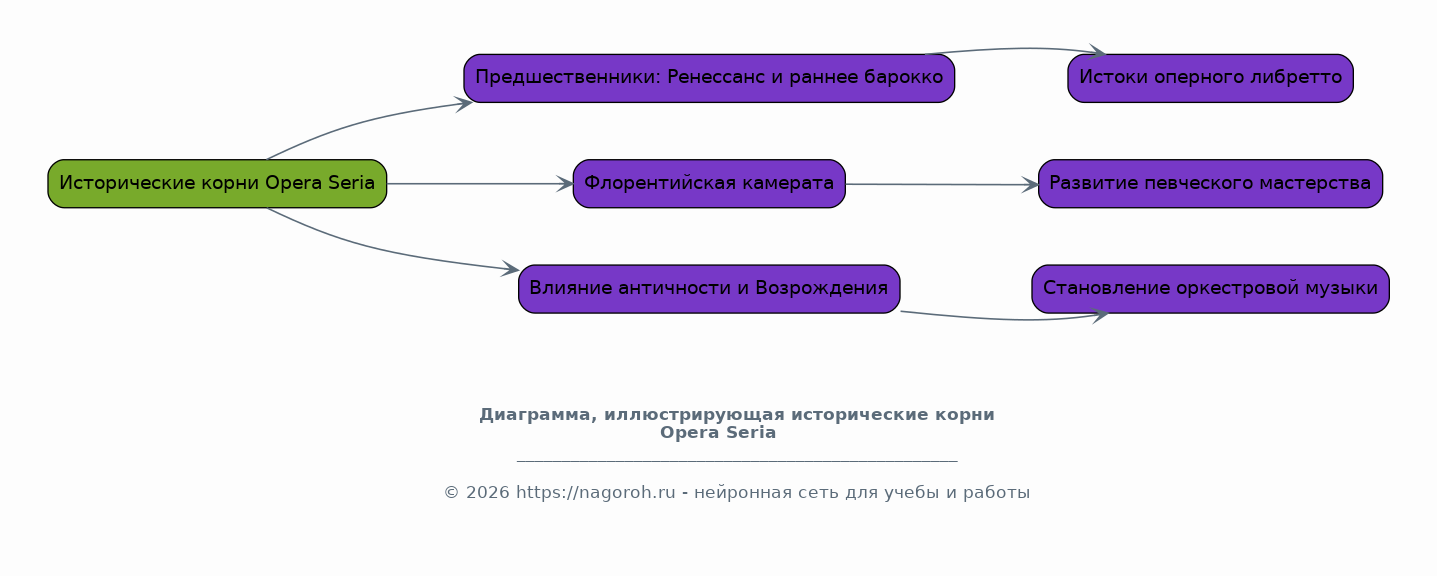
Анализирует происхождение и развитие жанра opera seria в 18 веке. Освещаются его основные черты, композиторы, драматургические особенности и социальные функции. Рассматривается, как этот жанр отражал вкусы аристократии и придворной культуры.
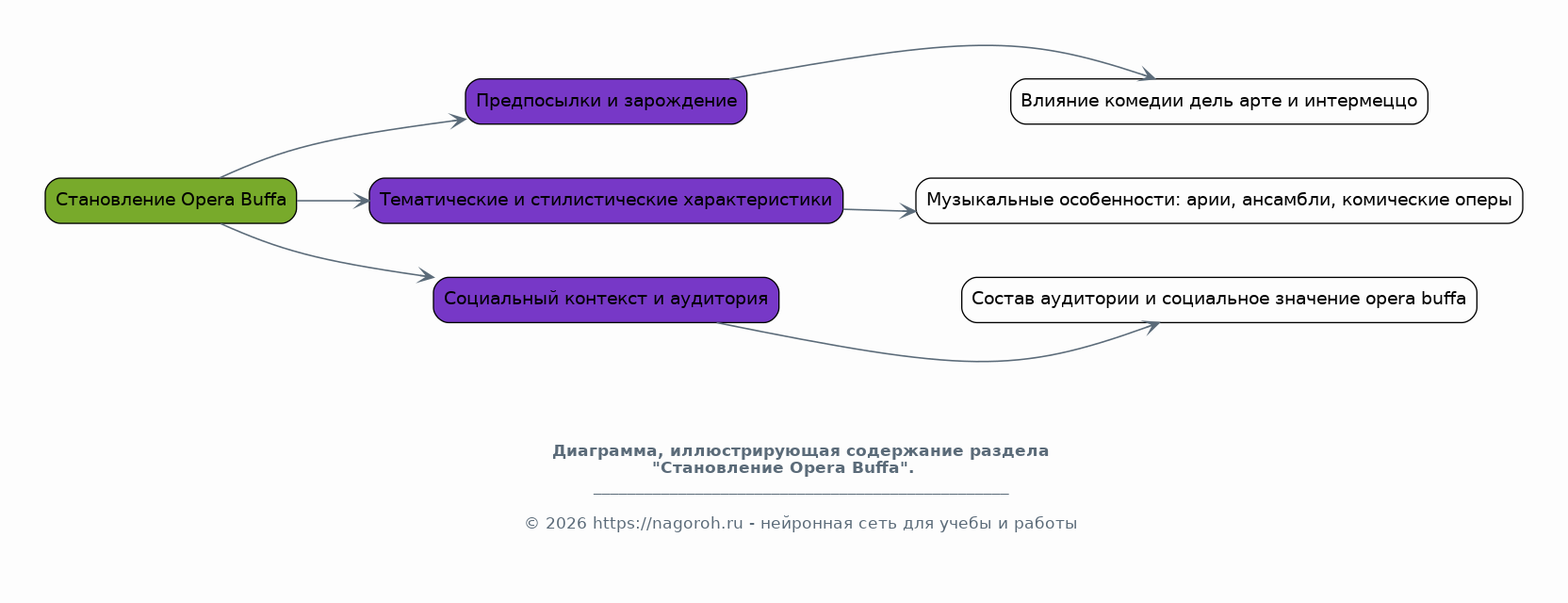
Исследует возникновение и эволюцию жанра opera buffa. Анализируются его тематические, стилистические и музыкальные характеристики, а также социальная база и аудитория. Особое внимание уделяется развитию этих черт на протяжении XVIII века.
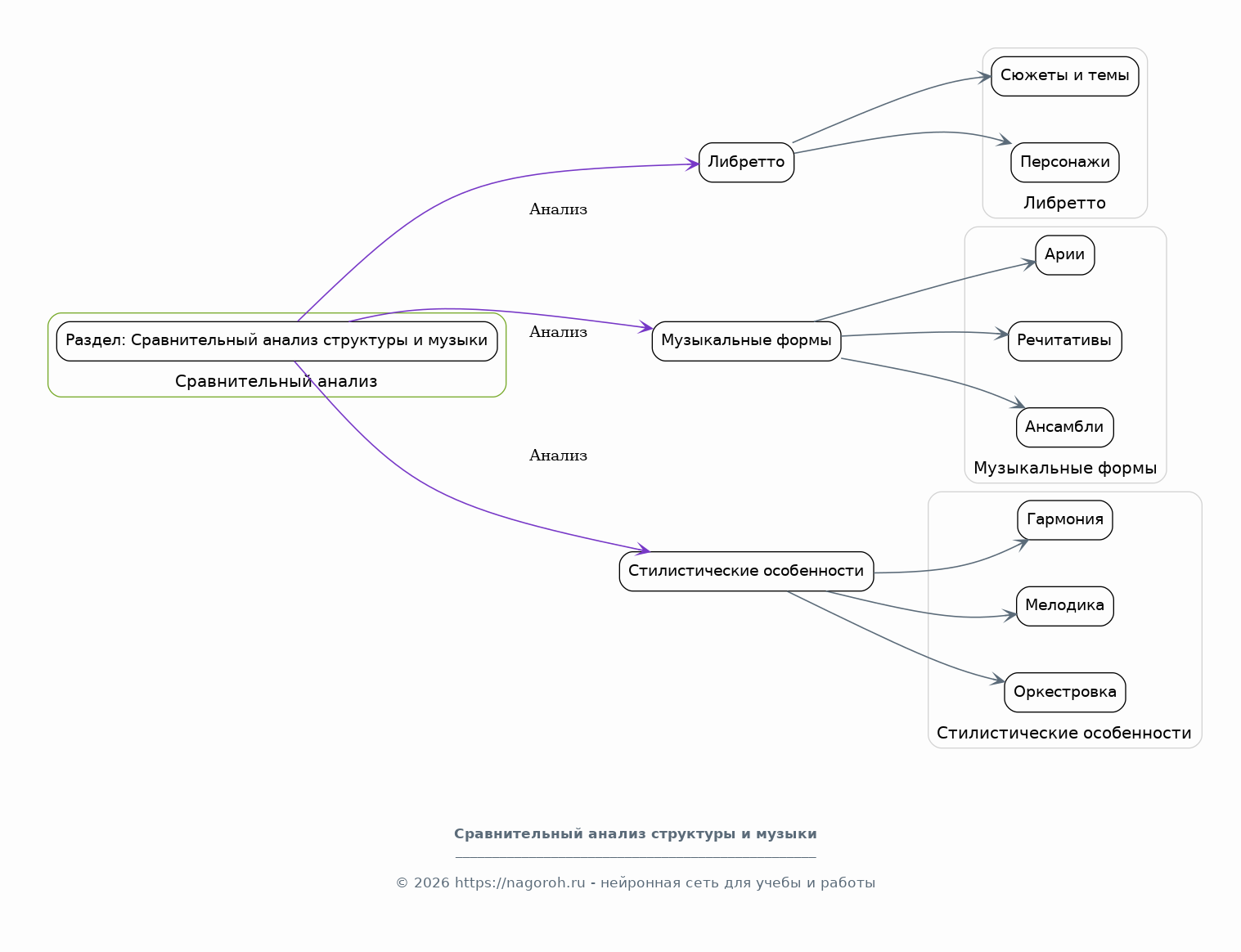
Сопоставляет либретто, музыкальные формы и стилистические особенности opera seria и opera buffa. Выявляются различия и сходства в их композиции, гармонии, мелодике и оркестровке. Анализируются особенности драматургии каждого жанра.
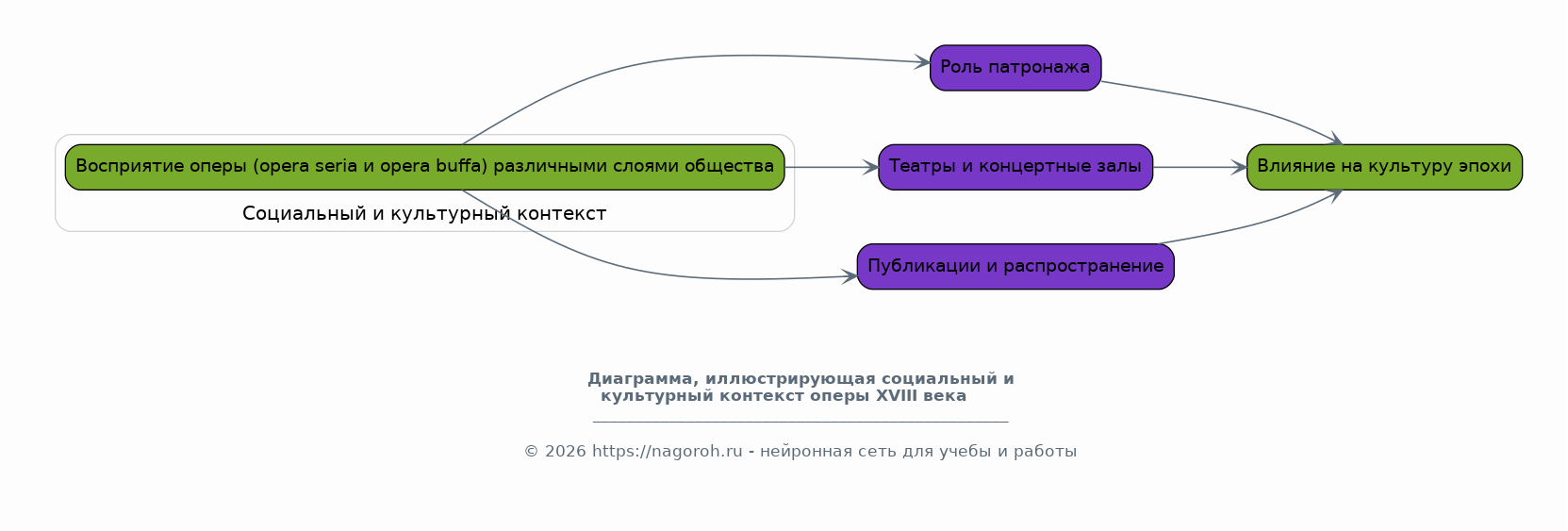
Изучает, как opera seria и opera buffa воспринимались различными слоями общества. Рассматривается роль патронажа, театров, концертов и публикаций в распространении и популярности этих жанров. Оценивается их влияние на культуру эпохи.
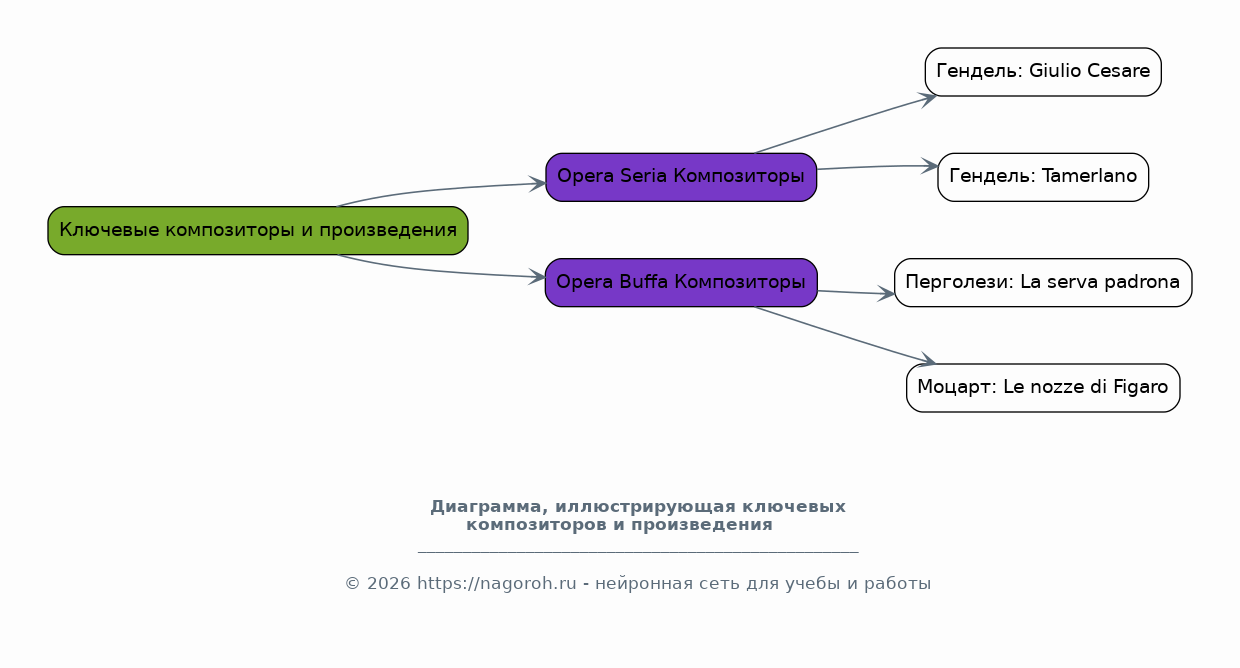
Представляет обзор важнейших композиторов opera seria и opera buffa 18 века, таких как Гендель, Моцарт, Перголези. Анализируются их наиболее репрезентативные работы, демонстрирующие эволюцию жанров и их мастерство.
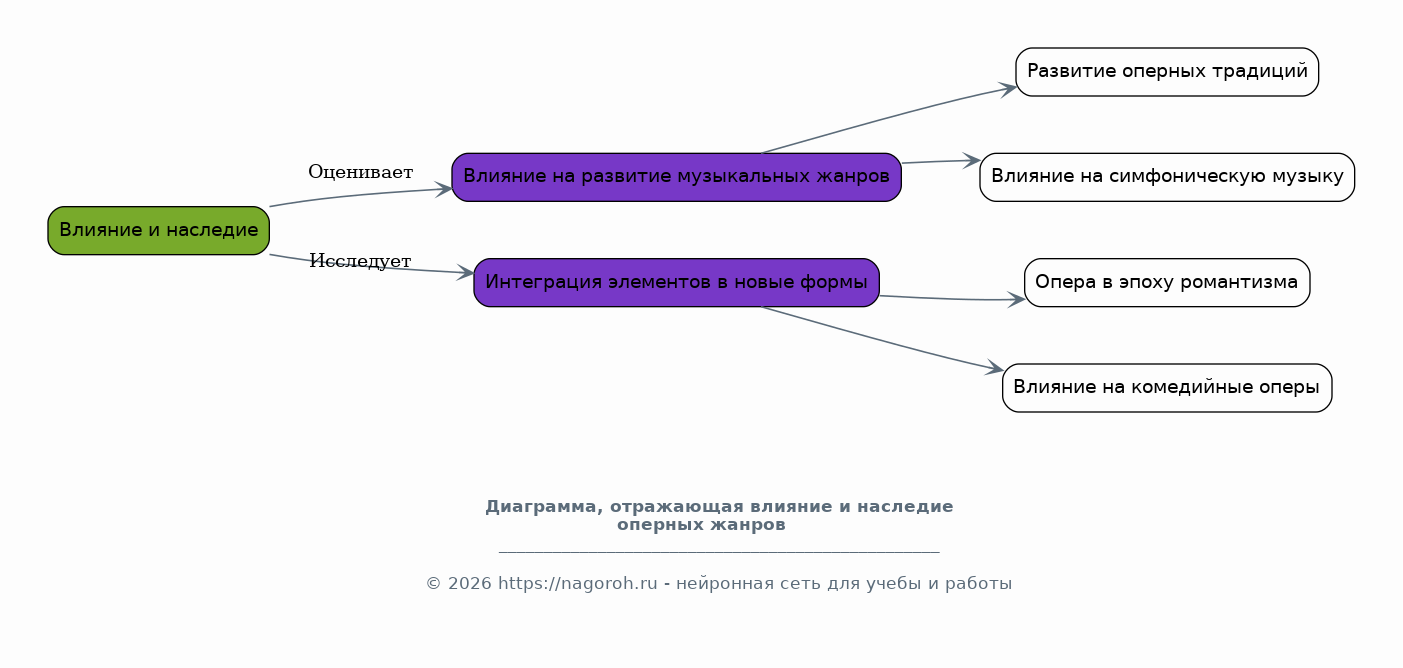
Оценивает влияние opera seria и opera buffa на последующие музыкальные жанры и развитие западной оперной традиции. Исследуется, как их элементы были интегрированы в новые формы и стили, формируя музыкальный ландшафт.
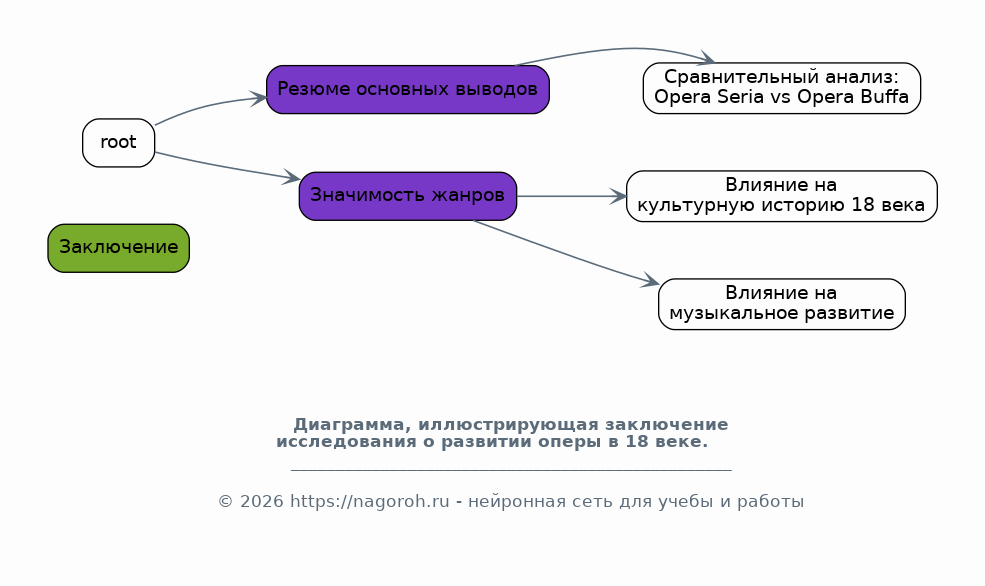
Подводит итоги исследования, обобщая основные выводы сравнительного анализа opera seria и opera buffa. Подчеркивается значимость этих жанров для понимания музыкальной и культурной истории 18 века и их взаимосвязь.